

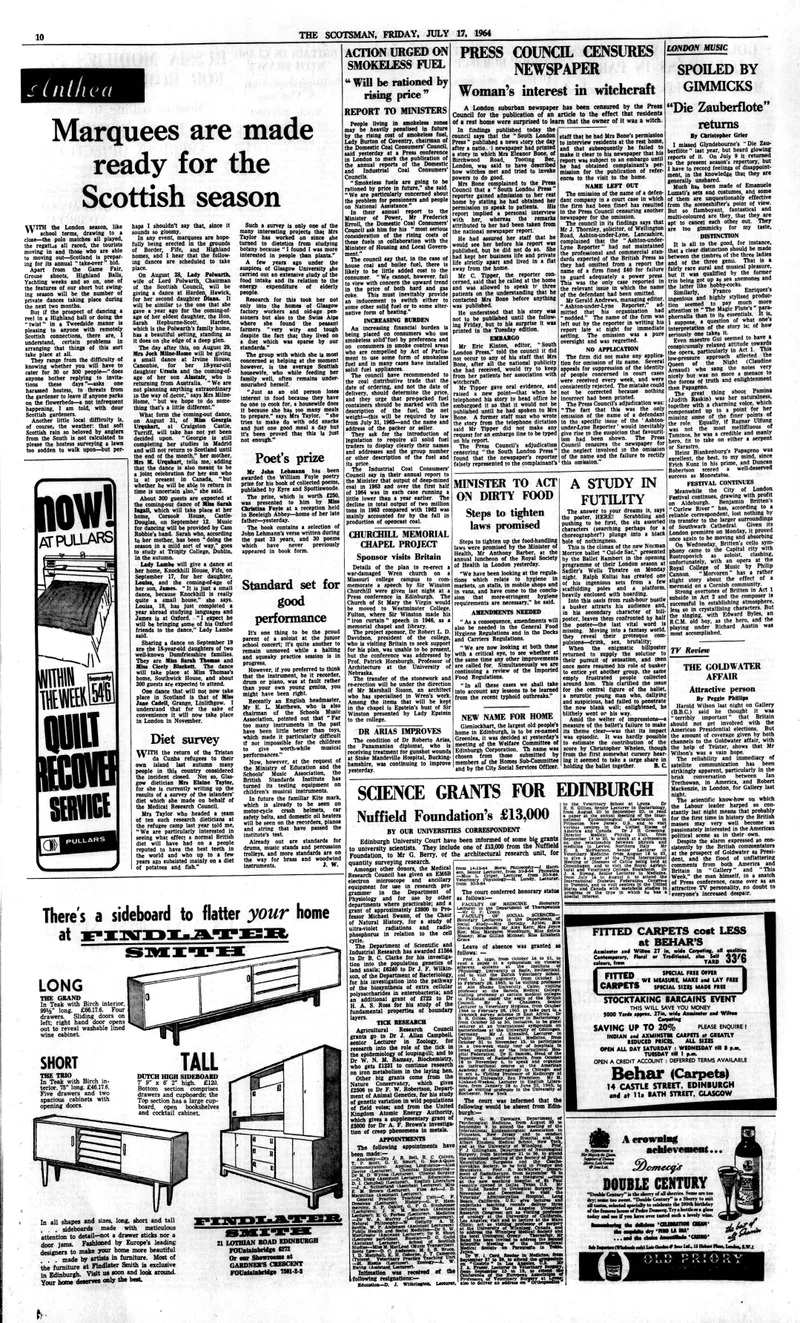
Newspaper Article
'Press Council censures newspaper: Woman's interest in witchcraft', The Scotsman, 17 July 1964
- Historical date
- 1964
- Location
- Tooting, London
- Category
- Newspaper Article
- People
- Eleanor Bone
- Source
- British Newspaper Archive
- Contributed by
- William Wallworth
- Added to the archive
About this item
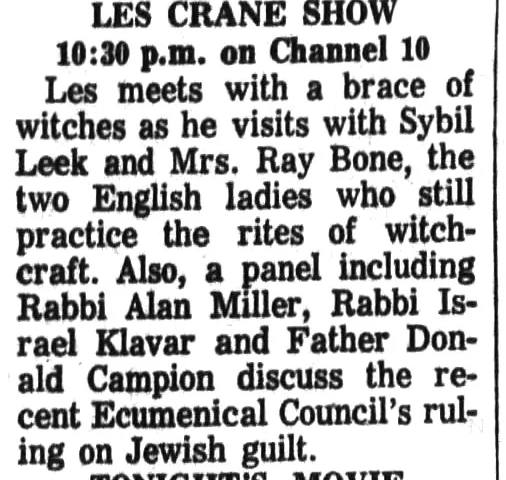
The Scotsman, Friday 17 July 1964, page 10. The Press Council upholds a complaint by Mrs Eleanor Bone of Birchwood Road, Tooting Bec, against the South London Press. The day after a national newspaper carried her account of how witches met "and tried to invoke powers to do good", the local paper reported that residents of her rest home were surprised to learn its owner was a witch. Its reporter, Mr C. Tipper, had got into the home by telling her staff he had her permission to speak to patients, and his story read as though he had interviewed her, when her words had been lifted from the national paper. She told the Council she "had kept her business life and private life strictly apart". The editor, Eric Kinton, answered that after so much national publicity nobody on his staff imagined she would try to keep it from her patients. The Council censured the paper: the reporter had "falsely represented" that he had her permission, and had failed to make clear that his report was held until she agreed to it. The cutting also carries a second, unrelated adjudication ("Name left out", against the Ashton-under-Lyne Reporter), which is not transcribed. The March 1964 cuttings in the archive show the rest-home story as it broke. Cropped to the report, with the full page alongside.
How to cite: 'Press Council censures newspaper', The Scotsman, 17 July 1964, p. 10 (British Newspaper Archive). Alexandrian Witchcraft Timeline & Archive.
Transcript
PRESS COUNCIL CENSURES NEWSPAPER
Woman’s interest in witchcraft
A London suburban newspaper has been censured by the Press Council for the publication of an article to the effect that residents of a rest home were surprised to learn that the owner of it was a witch.
In findings published today the council says that the “South London Press” published a news story the day after a national newspaper had printed a story in which Mrs Eleanor Bone, of Birchwood Road, Tooting Bec, London, was said to have described how witches met and tried to invoke powers to do good.
Mrs Bone complained to the Press Council that a “South London Press” reporter gained admission to her rest home by stating he had obtained her permission to speak to patients. His report implied a personal interview with her, whereas the remarks attributed to her had been taken from the national newspaper report.
He had assured her staff that he would see her before his report was published, but he did not do so. She had kept her business life and private life strictly apart and lived in a flat away from the home.
Mr C. Tipper, the reporter concerned, said that he called at the home and was allowed to speak to three patients on the understanding that he contacted Mrs Bone before anything was published.
He understood that his story was not to be published until the following Friday, but to his surprise it was printed in the Tuesday edition.
EMBARGO
Mr Eric Kinton, editor, “South London Press,” told the council it did not occur to any of his staff that Mrs Bone, after all the national publicity she had received, would try to keep from her patients her association with witchcraft.
Mr Tipper gave oral evidence, and raised a new point - that when he telephoned his story to head office he embargoed it so that it would not be published until he had spoken to Mrs Bone. A former staff man who wrote the story from the telephone dictation said Mr Tipper did not make any request for an embargo line to be typed on his report.
The Press Council’s adjudication censuring “the South London Press” found that the newspaper’s reporter falsely represented to the complainant’s staff that he had Mrs Bone’s permission to interview residents at the rest home, and that subsequently he failed to make it clear to his newspaper that his report was subject to an embargo until he had obtained complainant’s permission for the publication of references to the visit to the home.
Suggest a correction
Spotted a mistake, or read the handwriting differently? Offer a corrected transcript.
Log in or create a free account to transcribe this item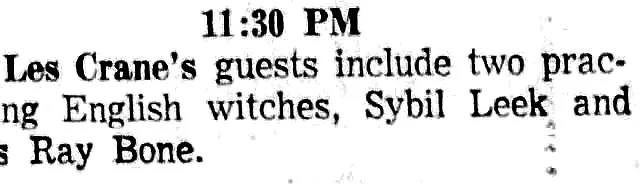
No comments yet