The Tradition
The Craft, explained.
What the tradition is, where it came from, and how it is practised.
The tradition
What Alexandrian Witchcraft is
Alexandrian Witchcraft is a specific, initiatory tradition of modern Witchcraft, founded in the United Kingdom in about 1962 by Alex Sanders and his wife Maxine Sanders. It is one of the most widely recognised traditions within British Traditional Witchcraft, alongside Gardnerian Wicca, from which it developed.
It is not a generic term for modern Witchcraft. It is a lineaged tradition, which means that membership is conferred through a formal rite of initiation passed from one practitioner to another in an unbroken chain tracing back to Alex and Maxine Sanders. Without initiation through that line, a practitioner is not Alexandrian.
The tradition sits at the intersection of Gardnerian Wicca, Hermetic ceremonial magic, the Qabalah and Enochian magic. It is more eclectic than the Gardnerian tradition, drawing on a wider range of esoteric sources, while keeping the core structure of coven working, the Wheel of the Year, and the veneration of the Goddess and the God.
The history
A tradition with a living history.
From an initiation in about 1962 to a tradition practised worldwide: the moments that shaped Alexandrian Witchcraft.
-
About 1962
The roots
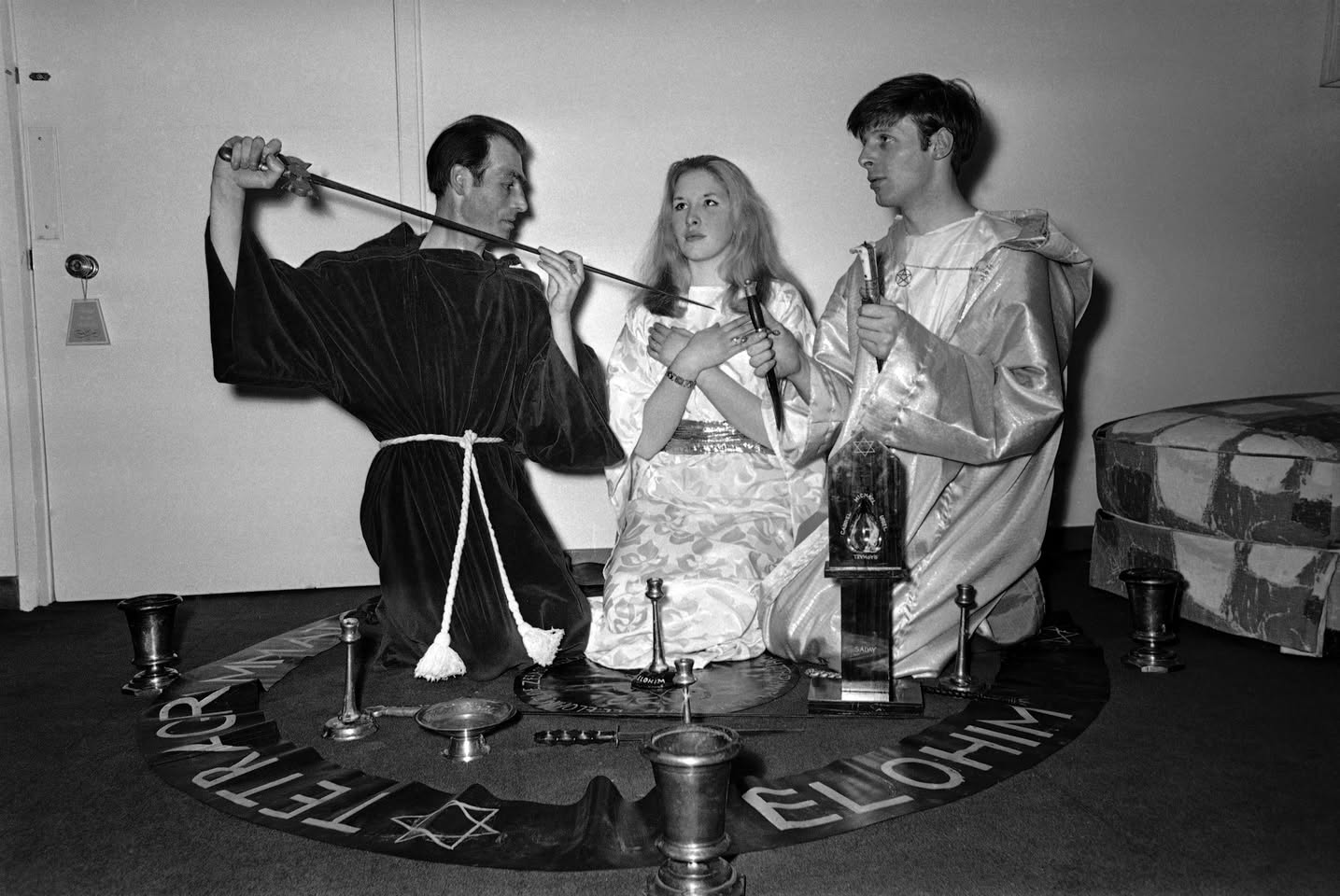
Alex Sanders is initiated into Gardnerian Witchcraft, taking its rituals and Book of Shadows as a foundation. What he builds on it, with a heavier draw on ceremonial magic and the Qabalah, becomes a tradition of its own.
-
Late 1960s
The founders
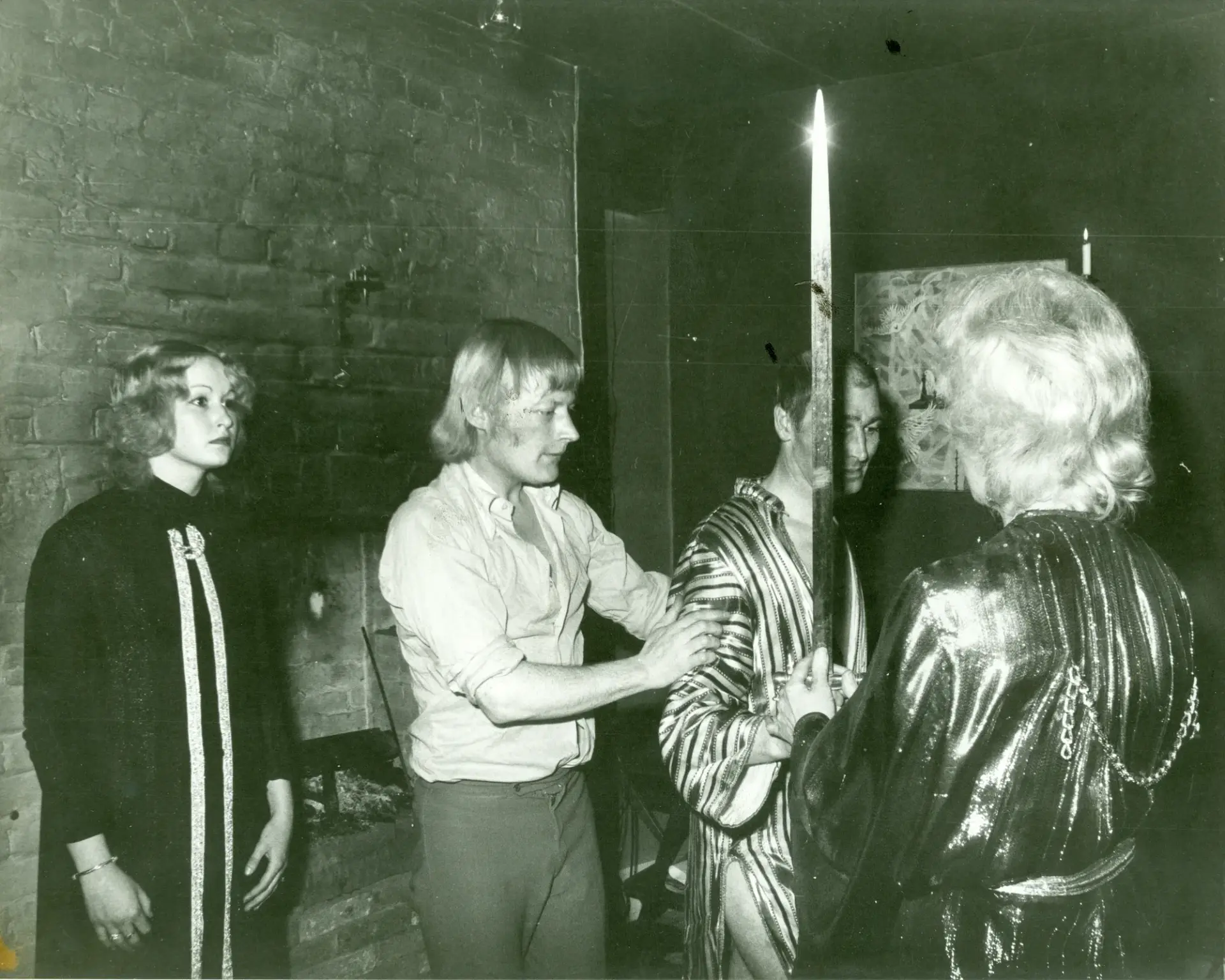
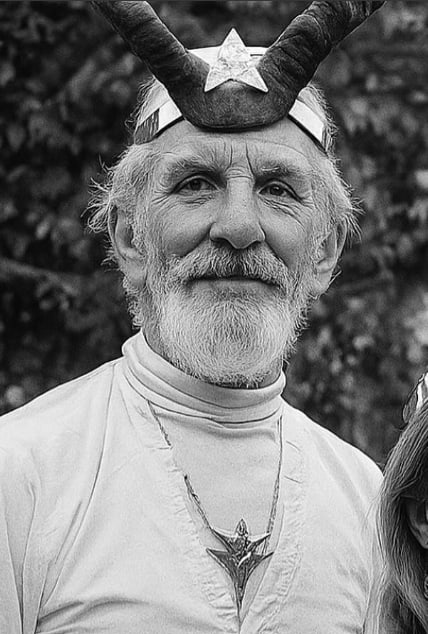
Alex and Maxine Sanders lead the tradition from Britain, initiating a generation of witches and carrying the Craft into public view at a time when most practitioners sought anonymity.
-
1971
The name
Stewart Farrar, initiated into Alex and Maxine’s coven by Muriel Macbeth-Smith the year before, coins the name Alexandrian Witchcraft. Contrary to a story that developed later, the name has nothing to do with the Library of Alexandria: Alex and Maxine simply held an appreciation for it, so much so that they gave their firstborn, Maya, the middle name Alexandria.
-
Through the 1970s
The spread
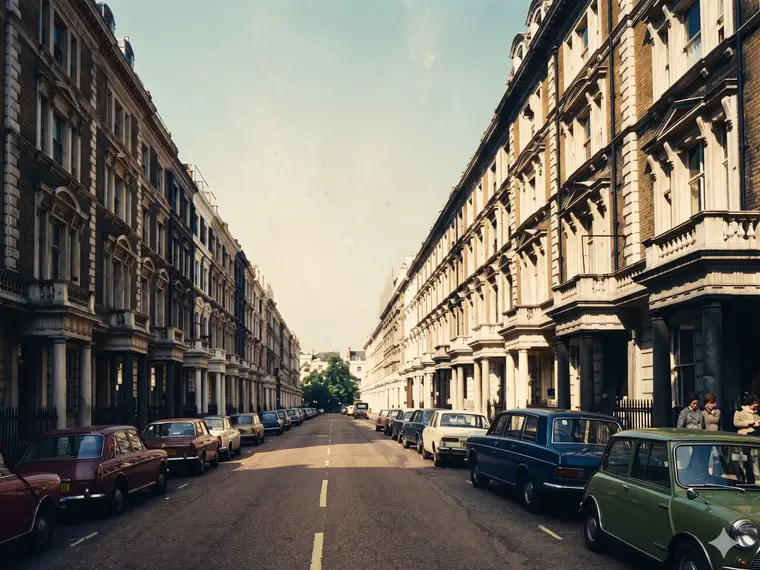
The tradition spreads through its covens and the initiates they make, each initiate free to found a coven and initiate in turn, carried further by published work: Britain, Ireland, Canada, the United States, Australia, New Zealand and South Africa.
-
Today
The living tradition
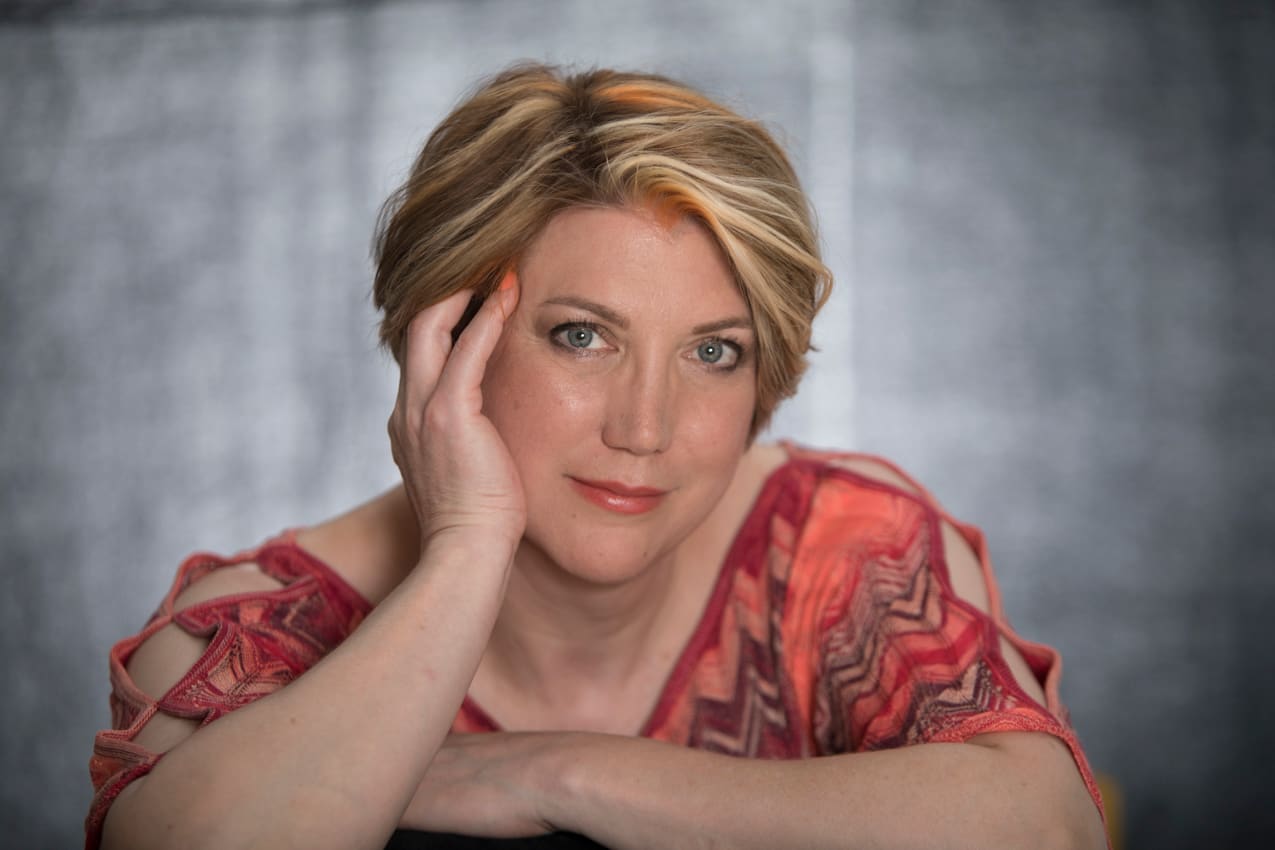
Alexandrian Witchcraft is practised worldwide. Sharon Day, curator of the digital archive and a close friend of Maxine Sanders, keeps its public history in this ever-evolving archive for the benefit of current and future generations.
Transmission
The Book of Shadows
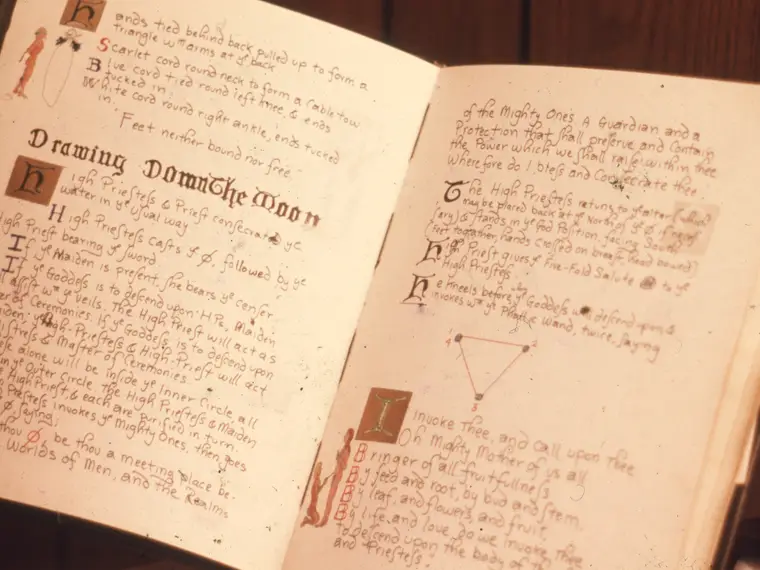
Every Alexandrian initiate is intended to hand-copy the Book of Shadows from their initiator’s handwritten copy. This is both a practical transmission of the tradition’s rituals, spells and teachings, and a ritual act in itself, since the physical copying is part of how the knowledge is passed.
The Alexandrian Book of Shadows has a common core, including rituals, consecrations, the Witch’s Rune and degree workings, with content variations from line to line. It is intended to give the basic framework for a coven to practice.
Entry
Initiation and the degrees
Initiation is the entry point into the tradition, and it is not optional. Alexandrian Witchcraft operates on the principle that only a witch can make another witch. Without initiation through a valid Alexandrian lineage, a practitioner is not Alexandrian, regardless of how much they study or how sincerely they practise.
Initiations are always performed skyclad, that is, ritually nude, across all Alexandrian covens. Lineage is traced across genders, a female initiating a male, who initiates a female, and so on, back to Alex Sanders and his High Priestesses, including Maxine. Lineage is considered private rather than public record.
The tradition does not recruit. When someone with little experience asks to be initiated, they are often encouraged to explore other traditions first. The selectivity is not elitism. It is responsibility, taken seriously because working with this power draws people who may not be suited to it.
The three degrees
-
Initiation into the Mysteries. The initiate takes oaths of secrecy and loyalty, and begins hand-copying the Book of Shadows from their initiator’s handwritten copy.
-
Penetration of the Mysteries. Only a Second or Third Degree witch can perform this initiation.
-
Celebration of the previous two Degrees. Given in succession to and at the same time as the Second Degree.
Select a degree to read what it confers.
Many covens have chosen to separate the degrees. This is not the way or manner in which Alex and Maxine developed the tradition. In the history of Alex and Maxine giving the higher degrees, there were only two exceptions made to the practice of giving the Second and Third Degrees separately.
The turning year
Coven life and the Wheel of the Year
The eight sabbats
Select a sabbat: the wheel turns to it.
- Candlemas
- 1 to 2 February. Early spring, the return of the light.
- Spring Equinox
- Around 20 March. Day and night in balance.
- Beltane
- 30 April to 1 May. High spring, fire and fertility.
- Summer Solstice
- Around 21 June. The longest day.
- Lammas
- 1 August. The first harvest.
- Autumn Equinox
- Around 22 September. The second harvest, day and night in balance.
- Halloween
- 31 October to 1 November. The end of the year, the thinning of the veil.
- Yule
- Around 21 December. Winter Solstice.
Alexandrian covens meet at the new moons (Dark Moon Esbats), the full moons (Full Moon Esbats, thirteen per year), and the eight sabbats of the Wheel of the Year. The eight sabbats mark the turning of the seasons, divided into four greater fire festivals, Celtic in origin, and four lesser solar festivals.
Ritual space
Ritual space and the working tools
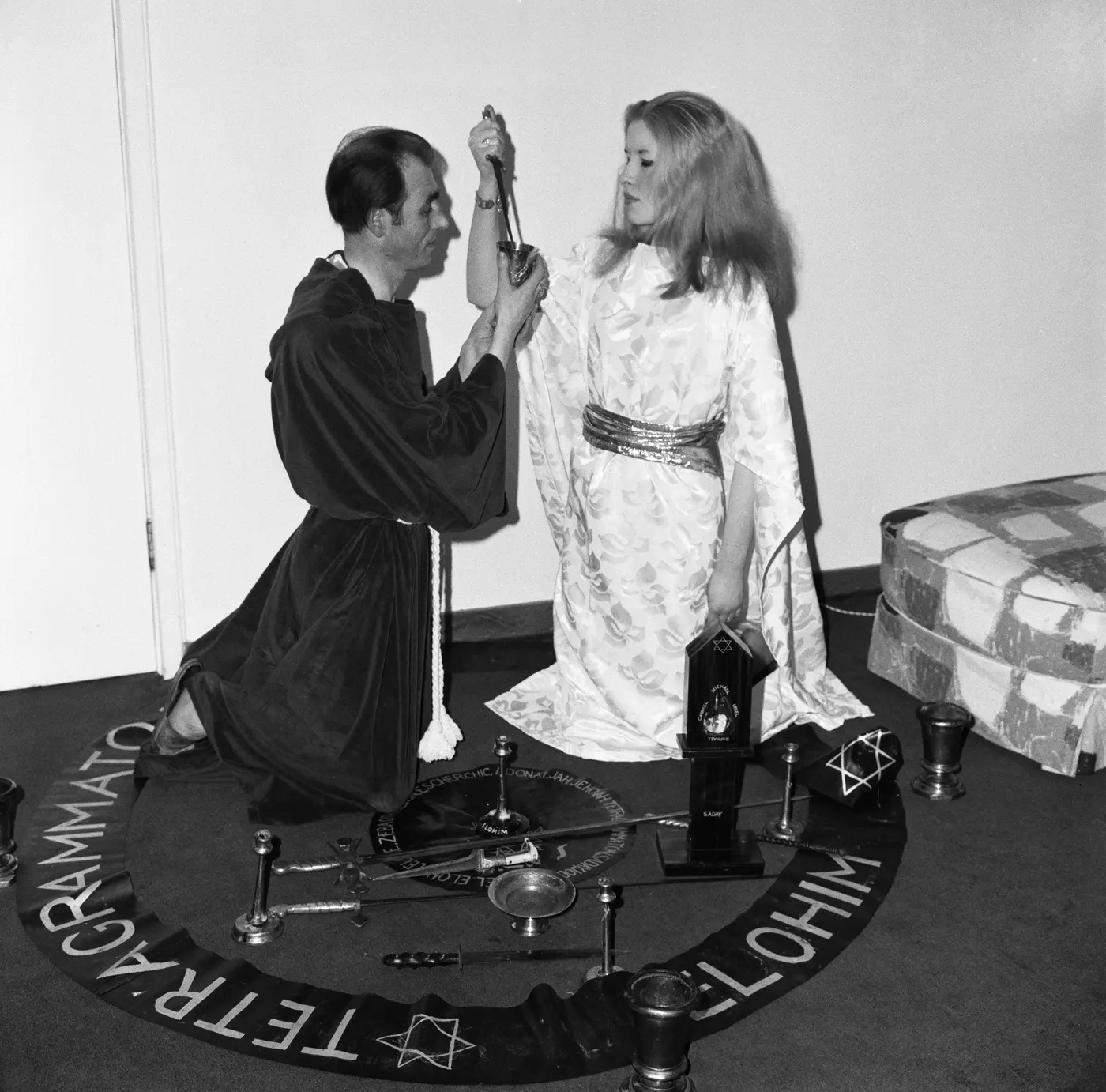
Rituals are conducted within a cast circle, a ritually defined sacred space that marks the boundary between the everyday world and the magical working. The circle is cast using working tools, each with a ritual function. Chant and dance are central to raising power within it, and the Witch’s Rune is the most commonly used chant, with each coven developing its own rhythm, step and breath.
The working tools
-
Athame
A black-handled ritual knife, used to direct energy rather than for physical cutting.
-
Sword
Used in circle casting and certain degree workings.
-
Wand
Used to channel energy and in deity invocations.
-
Chalice
Represents the Goddess, and holds ritual wine or water.
-
Pentacle
A disk inscribed with, among other things, a five-pointed star, representing earth and spirit.
-
Scourge
Used in initiation and purification rites.
-
Cords
Used in binding and degree workings.
-
White-Handled Knife
A white-handled working knife used for practical cutting, such as herbs and cords.
Origins
Roots and distinctive character
Alexandrian Witchcraft grew directly out of Gardnerian Wicca. Gerald Gardner founded the Gardnerian tradition in the 1950s, and Alex Sanders was initiated into it in about 1962, using Gardner’s rituals and Book of Shadows as a foundation. Alexandrian Witchcraft is not a rejection of the Gardnerian tradition. It shares the same initiatory structure, the same core ritual framework, and the same veneration of the Goddess and the God.
What distinguishes it is what Alex added: a heavier emphasis on ceremonial magic, the Qabalah and Enochian magic, drawn from his independent studies. Where the Gardnerian tradition is more closed and traditional, Alexandrian Witchcraft is more eclectic. As Maxine has put it, “If it works, use it.”
Like all Wiccan traditions, it centres on the polarity between the Goddess and the God: feminine and masculine, dark and light, earth and sky. Ritual work reflects this balance, and sabbat rites focus on the relationship between the two. This is theological, not merely symbolic.